








In Central Asia, some Sufi groups are attempting to balance “the preservation of tradition with the demands of digital culture,” write Bekzhan Azhimov, Nurlan Kairbekov, Zholaman Bulan and Tussipkhan Imammadi (scholars based at Kazakh universities) in an article published in the Occasional Papers on Religion in Eastern Europe (January). The authors selected four YouTube channels with a significant number of followers, in Central Asian languages or in Russian, which remains a lingua franca in those countries. Three channels are associated with the Naqshbandiyya order, while the fourth one promotes the (neo-Sufi) teachings of the influential thinker Said Nursi (1878–1960) from Turkey. The Naqshbandiyya’s deep historical roots in the region lend the digital presence of these orders a particular legitimacy, serving as a natural extension of an enduring heritage. Among the study’s main findings, several deserve emphasis. First, the thematic core of online Sufi preaching revolves around universal ethical values—love, compassion, humility, and self-purification—rather than technical theological or juridical debates. This distinguishes Sufi digital discourse from that of other Islamic currents, which tend to foreground questions of creed (aqida) and jurisprudence (fiqh).
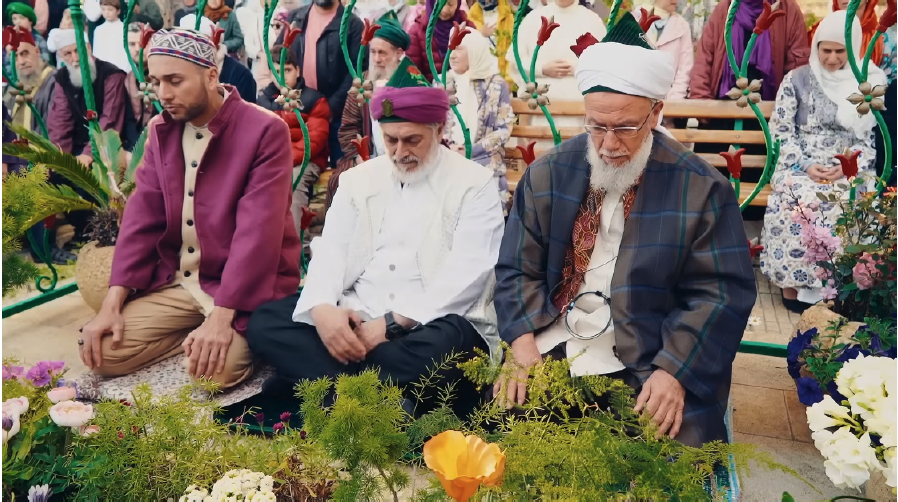
Secondly, a recurring narrative thread across the accounts studied is the concept of insān kāmil (the “perfect human”), presented as both a spiritual ideal and an ethical framework for personal transformation. Third, one can notice a tension between openness and esotericism, with Sufi preachers deliberately withholding their core mystical practices—particularly zikr and the specifics of the master-disciple relationship—from digital spaces, reserving them for direct, guided transmission. Still, there are also instances of virtual zikr sessions (online spiritual communities) and individualized mentorship may be achieved through interactive Q&A sessions, direct messaging, and online mentorship programs, which seek to replicate aspects of the traditional sheikh-disciple relationship. Moreover, “sermons and posts often address modern personal and social issues, such as stress, alienation, and ethical dilemmas, while embedding these discussions within a Sufi spiritual framework.” There is a pragmatic adaptation to a medium that rewards accessibility but sometimes struggles to convey the experiential depth of Sufi practice, according to the authors.
(Occasional Papers on Religion in Eastern Europe, https://digitalcommons.georgefox.edu/ree/)