








Founded in 2019, the South Philadelphia Shtiebel has “become a closely watched experiment in American Judaism—an urban congregation built from scratch in a neighborhood where no new synagogue had taken root in decades, and where most religious institutions had long since retreated to the suburbs.” The congregation is an anomaly among Orthodox synagogues, probably among American synagogues in general for its hybrid style, blending progressive and traditional elements. It is Orthodox but led by a woman; its seating is divided between genders like traditional synagogues—but not just between men and women but also non-binary people. The congregation is aligned with the DIY attitude of how people now choose institutions: voluntarily, relationally, and on their own terms. Its growth to about 175 people attending Shabbat service has not been accidental but is said to reflect a series of choices—about space, ritual, leadership and belonging—made deliberately by its founder. Rabbi Dasi Fruchter, coming from a modern Orthodox background, has welcomed LGBTQ people, with about 15 percent of the congregation now identifying as such. But she sees such a welcome as less about adapting Orthodoxy to an ideology than giving those who have gravitated to the congregation access to traditional Jewish practices and observance of halacha. When asked if non-binary members could lead services and have other ritual roles, Fruchter refused, saying it would violate Jewish law.
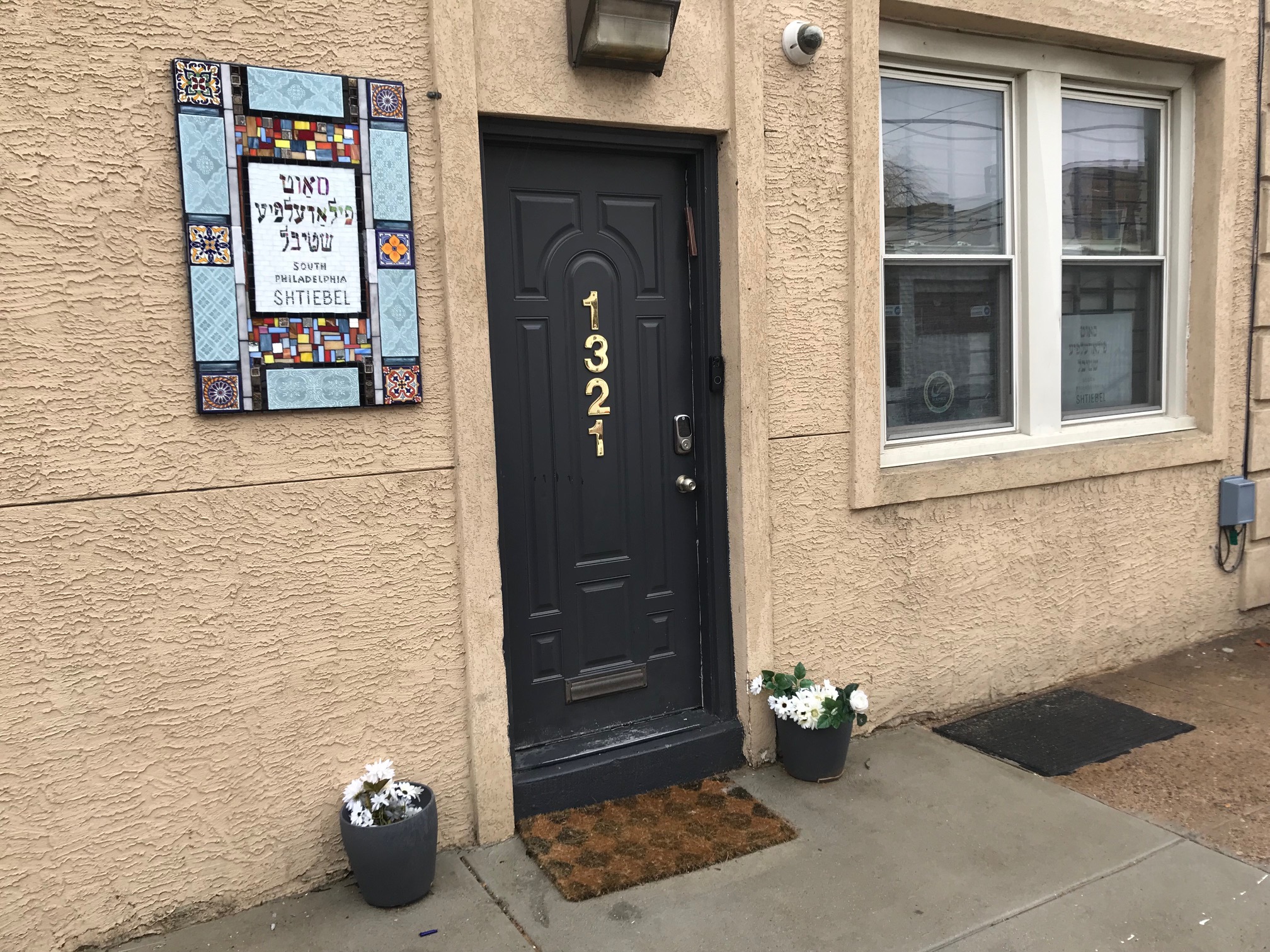
The synagogue finds its unity in its vigorous music tradition, where women are encouraged to sing, unlike in other Orthodox congregations. The dues requirement of other synagogues is waived t South Philadelphia Shtiebel to encourage participation and new attenders. With its “NPR-style [funding] model,” the congregation appears robust from the outside, but still operates like a lean startup on the inside. During the week, “the sense of belonging migrates online.” The Shtiebel uses Slack, the messaging platform, as its connective tissue: organizing meal trains, coordinating who will read the Torah at services, sharing names of ailing people, checking in on each other, offering extra seats at Shabbat tables. The synagogue is intentionally apolitical and is careful about keeping partisan politics out of communal spaces. Congregants span the ideological spectrum. The congregation prioritizes what one member called “joyful Judaism” over the culture wars that have fractured so many other institutions. “These sorts of shuls are often born on the decay of mainstream Conservative shuls, which are not growing or are hemorrhaging,” says Villanova law professor Chaim Saiman. “There’s a market for a community with liberal sensibilities but whose liturgy and Shabbat and kosher practices are more traditional.” (Source: Forward, January 28)