








America is “in the middle of a second Mormon moment,” this time led by a cadre of women influencers and reality TV stars, some of whom are ex-members of the Latter-day Saints, reports New York magazine (February 9). The first wave of attention to Mormonism was fostered more than a decade ago by the presidential campaign of Mitt Romney, the Broadway musical Book of Mormon, and the TV drama series about polygamy, Big Love. Bridget Read writes that the 2024 flagship reality show, The Secret Lives of Mormon Wives, preceded by Real Housewives of Salt Lake City, has led the way for a variety of LDS-influenced media productions and marketing efforts that portray Mormonism as entrepreneurial and mainstream rather than a fringe religious movement. Often led by women, these influencers come from both practicing and ex-Mormon backgrounds; four of the nine cast members of Secret Lives are ex-Mormons, including its leading star, Jessi Draper. “These Mormon and ex-Mormon women, the makeup and clothes they wear, the red-light therapy masks and blenders and blankets they use, and the protein powders, supplements, and sodas they drink have found an enthusiastic audience across the rest of country.” While the LDS “mommy blogger” and influencer phenomenon has been around for a while, it was during Covid that family content extended beyond a niche audience.
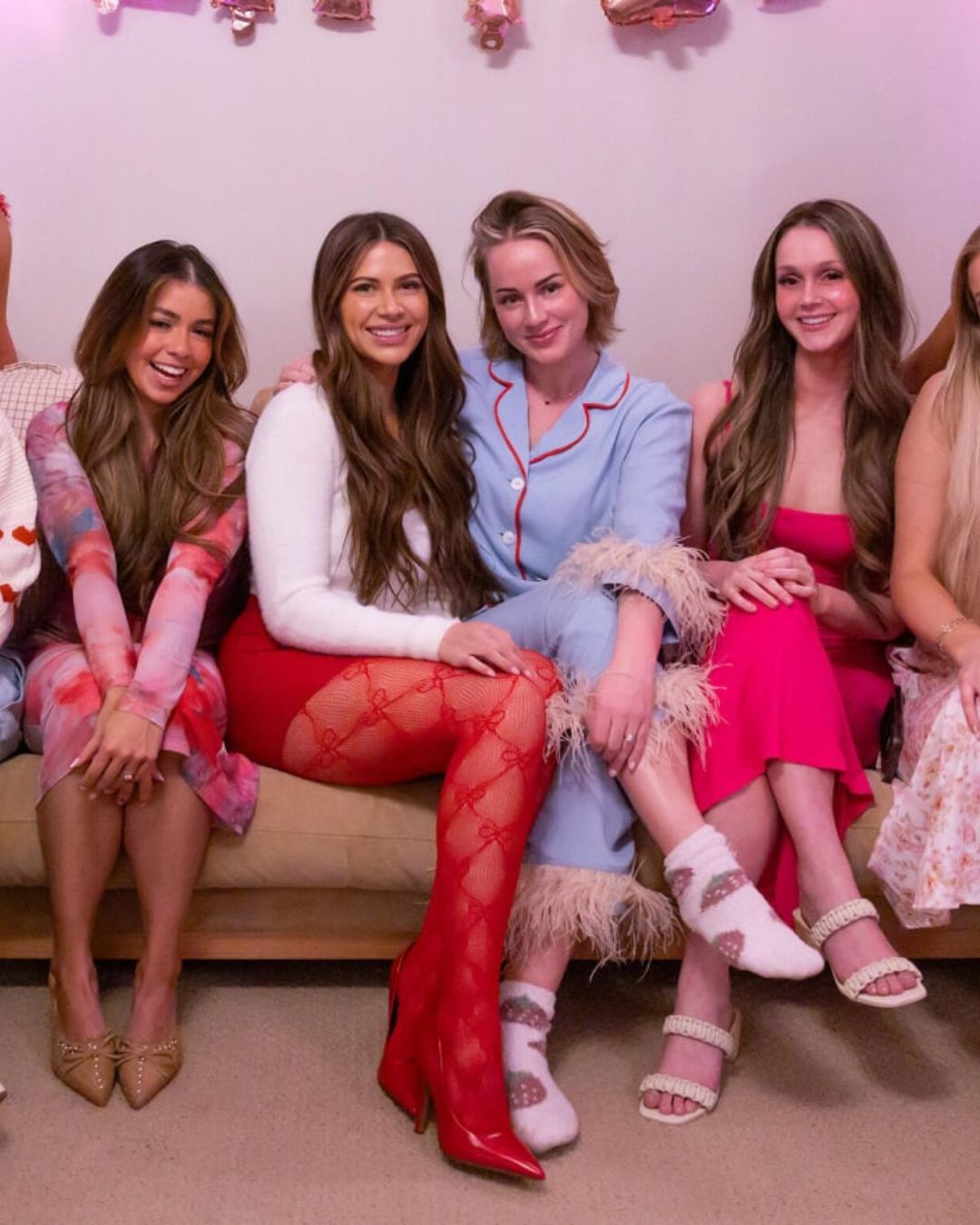
It was also in 2020 that contested racial protests led producers to look for more non-controversial family content, and the LDS-oriented women were not only willing and waiting but also increasingly networking with each other, often posting content on TikTok. Read writes that these women, often mothers, were readily accepted by American viewers, as they broke the stereotypes of long-haired LDS girls associated with the compound of fundamentalist Warren Jeffs. Their faith, as portrayed on these shows and other media, “appears modern, flexible, and millennial. They discuss wearing and not wearing garments [required of members] and the pressure LDS women feel to be perfect. In one episode [of Secret Lives], the cast attends a Pride event, publicly bucking the church’s stance on homosexuality.” She adds that this “Mormon and ex-Mormon influencer ecosystem” is lucrative enough to be supporting the state of Utah and the LDS church (though their tithes). The church’s leadership is supportive of the influencers, with the church sponsoring some of their work. Whether these women influencers are “tradwives” or feminists, active Mormons or alienated from and even angry at the church, Read concludes that the church is finding new mainstream acceptance while keeping its identity. “Even if it loses more of its official membership, as long as Mormon aesthetics and concerns—motherhood, beauty, perfection, worthiness—continue to appeal to industrious women everywhere, the institution stands to profit.”