







Orthodox Jewish women in Israel are increasingly taking up the roles of rabbis, with some help from a new ruling in Israel, writes Michal Raucher in the online magazine The Conversation (November 20). Raucher adds that in today’s Orthodox world, “a rabbi could be a teacher, a nonprofit executive for a Jewish organization or a scholar of Jewish law—and, increasingly, some of those roles are held by Orthodox women.” Orthodox Judaism has largely prohibited women rabbis, except for a few dissenting outliers. “Yet attitudes toward women’s study of rabbinic texts is changing, leading some Orthodox leaders to conclude that women are ,” Raucher adds. Israel’s chief rabbis who form the top authority known as the Rabbinate do not recognize women as rabbis or permit their ordination. But a significant change took place last July when Israel’s High Court of Justice determined that women must be allowed to take the Rabbinate’s exams about Jewish law. The chief rabbis appealed the decision, but the court rejected their request for a retrial in November. These tests are necessary to apply for public sector jobs that hold any kind of Jewish religious authority in Israel, such as insuring that restaurants follow Jewish dietary laws.
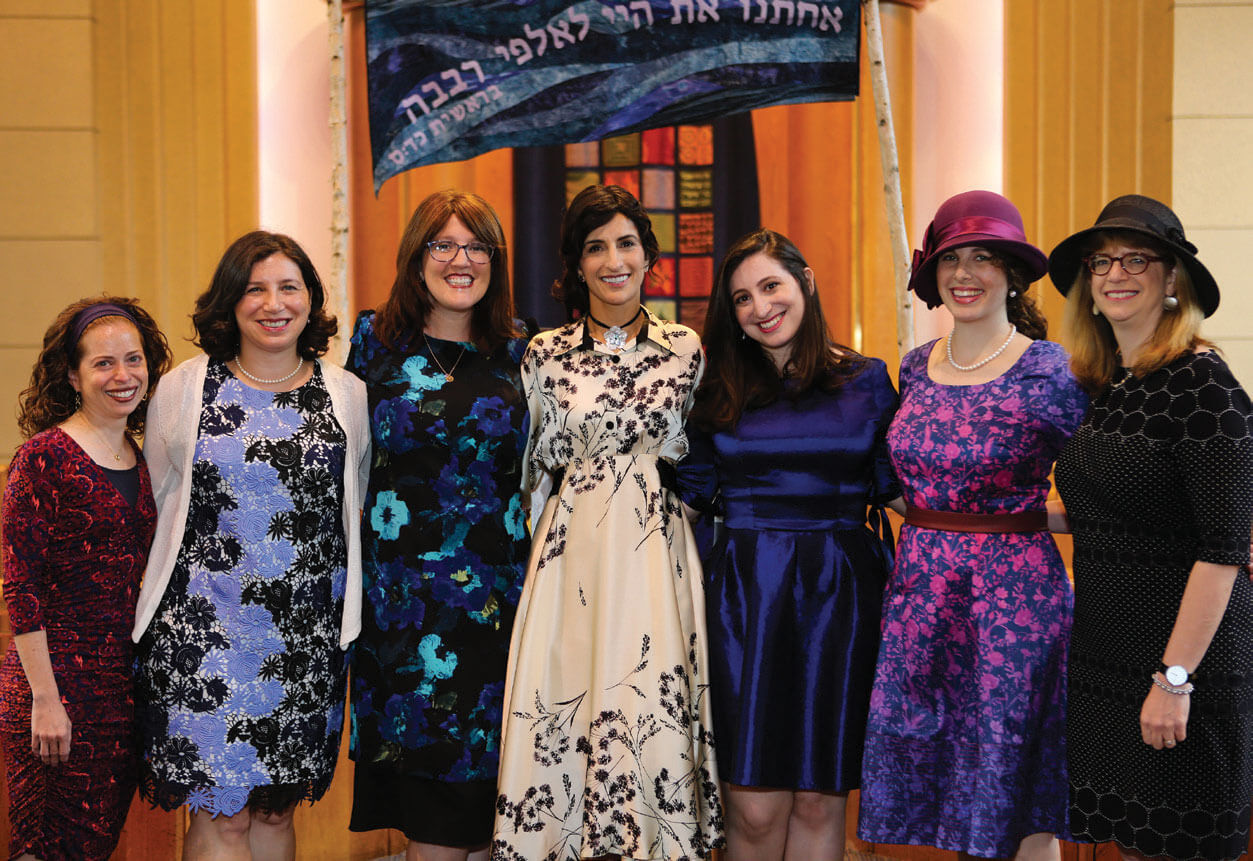
While passing this exam does not make someone an ordained rabbi (which is conducted through private rabbis and schools), and most Orthodox communities do not recognize female rabbis, “it does allow women to apply for jobs previously available only to men and receive higher salaries for the educational jobs they have already. Most importantly, the High Court’s decision recognizes that women have achieved high levels of education in rabbinic law…While there have always been highly educated women, the court’s ruling reflects a growing trend among Orthodox women, while also opening up professional opportunities.” Influential in this trend is the network of Jewish schools for women started in the early 20th century, such as the Bais Yaakov school system, now found in many countries, the Matan, Nishmat and Drisha schools in Israel, and the New York-based Yeshivat Maharat, the first Orthodox seminary to ordain women as rabbis.
Raucher notes that the lawsuit challenging the Israeli chief rabbis’ restriction on women taking the Jewish law exam was filed by several people involved in this network. Continuing women’s training, allowing them to enter a variety of fields, and expanding opportunities for Orthodox women’s religious leadership, along with the Israeli court decision, “validate women’s religious leadership…The ruling forces Orthodox Judaism worldwide to recognize that women can achieve high levels of Talmudic education,” Raucher concludes.
“Finally, the proliferation of educational programs reflects—and creates—a need within orthodoxy. It is not just a small cadre of women seeking these opportunities. Programs continue to open because there is a demand among Orthodox women for the chance to study rabbinic texts. As more institutions create programs for women, they are creating a new reality: one where Orthodox women are religious leaders.”
(The Conversation, https://religionnews.com/2025/11/20/orthodox-judaism-is-making-space-for-womens-religious-leadership-even-without-traditional-ordination/)