







Although ultra-Orthodox Jews have traditionally been anti-Zionist, the younger generation has embraced Israel as well as a more ethno-nationalist brand of the faith, writes Martin Francisco Saps in Arc Magazine (December 17), which covers religion and politics. The official Haredi—or ultra-Orthodox—stance toward Israel has been that it was established without God’s approval and the coming of the Messiah. Even though that strict stance may have softened in recent years, it is not common to see Israeli flags and prayers for the State of Israel during services in Haredi synagogues as compared with other synagogues. But the events of October 7, as well as the globalization of the ultra-Orthodox community, have created a generation of young Haredi Jews who find a stronger sense of identity through an attachment to Israel, Saps writes. The more pietistic Haredi leaders, who lost some respect among younger members over infighting between various dynasties, are being challenged by the fourth generation of Haredim in America, who are “more online than the last … [and are] not content with asceticism and being apolitical. They may be speaking Yiddish and dressing like their ancestors, but young people—especially young men—are experimenting with new ideas and trends.”
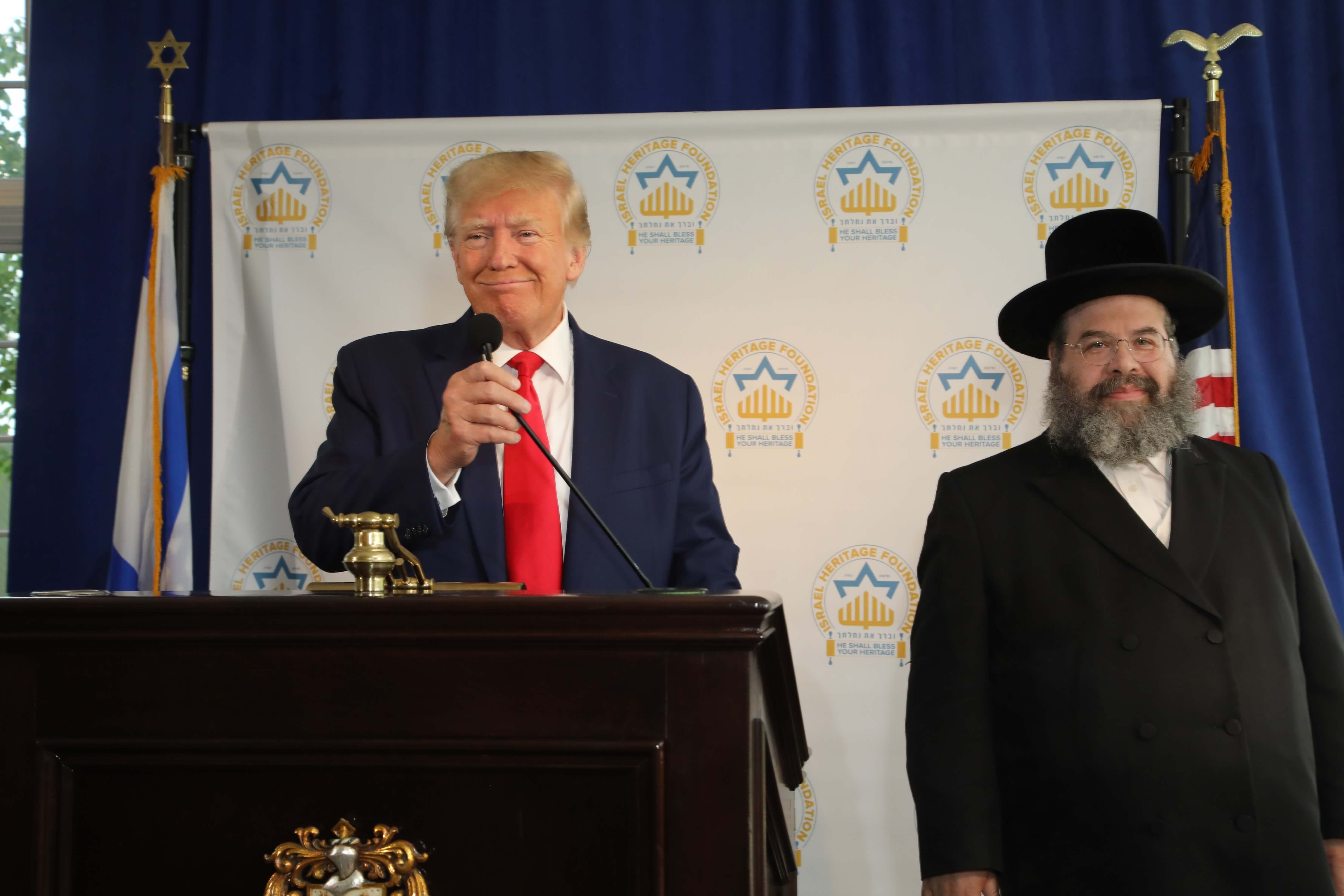
“In this context, supporting Israel is a form of rebellion against the old orthodoxy; it’s a different way of being Jewish,” he adds. A new kind of male bravado among younger Haredi Jews can be seen in how many are taking up activities that were previously unthinkable, such as working out, owning guns, and showing off material wealth. A new sensitivity toward anti-Semitism since October 7 is felt more by the visibly Jewish Haredi, with one anti-Zionist Jew admitting that “everybody in Williamsburg [a center of ultra-Orthodoxy in New York] knows now that Free Palestine is something you say when you hit a Jew.” The new support for Israel has even impacted the traditional Haredi refusal to serve in the Israeli army, with recently established special units like Hashmonaim slowly normalizing the practice. Uniting the young Haredi both in the diaspora and in Israel is a “religious supremacy” that prioritizes power and security and holds a figure like Donald Trump in reverence.
The fact that Trump is pro-Israel [some Haredi say they became more Zionist because of Trump] as well as nationalistic and conservative has increased the Haredi vote for him in each election. Yet there is something of a dissenting movement among some ultra-Orthodox, led by Yaakov Shapiro, a great nephew of the rebbe of the Satmar community, the largest Haredi sect in the U.S. Shapiro blends Orthodox and secular anti-Zionist teachings, addressing both audiences. Since Haredi institutions have not shifted their basic stance on Zionism and young ultra-Orthodox are more institutionally attached than other Jews, it is not impossible that such a popular anti-Zionist figure as recently elected New York mayor Zohran Mamdani can appeal to more members if he develops a good relationship with Satmar community officials.
(Arc Magazine, https://arcmag.org/can-zohran-mamdani-reverse-ultra-orthodox-jews-drift-towards-the-far-right/)