








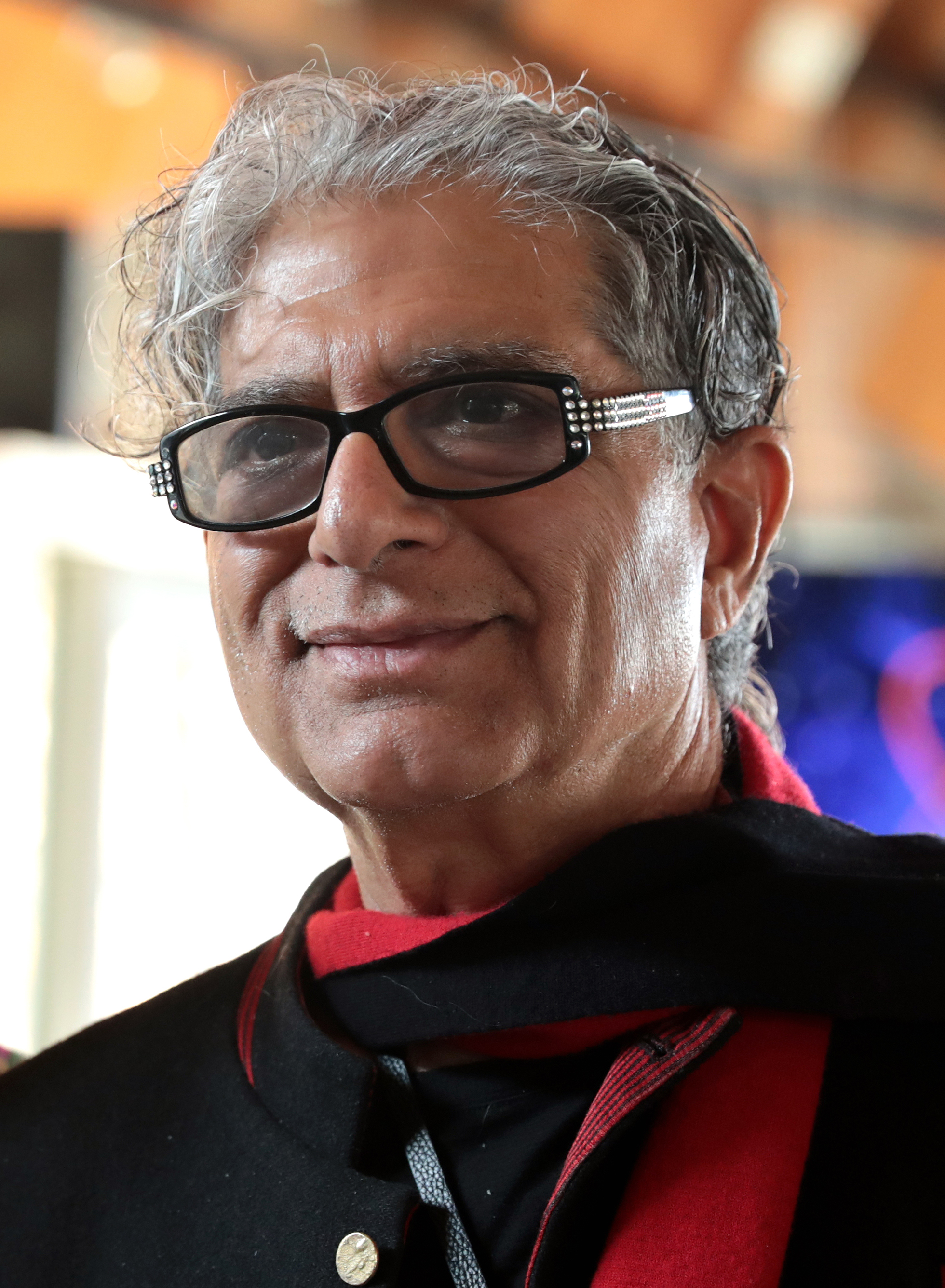
The controversy over the associations of well-known leaders and figures with Jeffrey Epstein has reached the New Age and wellness movements, resulting in cancellation but also recognition of the need to find new ways to hold leaders accountable for their behavior. The Substack newsletter Ecstatic Integration (February 27) reports that New Age spirituality is in a “ferment at the moment, after it was exposed that Deepak Chopra, perhaps the most famous guru in the world, was friendly with Jeffrey Epstein and sent him some chummy emails, after Epstein was convicted for sex with a minor, saying things like ‘God is a construct, cute girls are real.’ Chopra often emailed Epstein telling him to ‘bring your girls’ to a spiritual event that Chopra was leading.” Editor Jules Evans adds that it has been New Age influencers who have “led the pitchforks against Chopra and demanded he be de-platformed. And he has been. New Age organizations like the Shift Network, the Association for Spiritual Integrity and Mind Valley have issued statements condemning his remarks or cancelling appearances by him.”
In surveying the coverage of Chopra, journalist Terry Mattingly in his Substack newsletter, Rational Sheep (February 27), finds few hard religion news articles on the scandal and its relation to Chopra’s teachings, compared to what would have likely been the case if the incident involved conservative Christians. Mattingly did find a commentary feature at Religion News Service where religion professor Liz Bucar writes about how Chopra’s “AI spirituality is hijacking spiritual hunger.” She reports that Chopra has created a digital-guru version of himself in which users ask questions and receive “answers” drawn from the author’s huge print, audio and video archives. The service costs 50 cents for a 30-minute session or $10 a month for continuing spiritual advice. Bucar ties Chopra’s innovation to the way the “wellness industry already has zero accountability structures. No licensing boards. No ethics committees. No regulatory oversight. No complaint processes. Now we’re automating the very thing that had no guardrails to begin with.” In comparison, “religious traditions (for all their profound failures) at least have structures. Denominations can defrock clergy. Ethics boards can investigate complaints. Communities can organize for reform. There are theological frameworks, however imperfect, that can be appealed to.”