 As part of a continuing surge in Bible sales, sales of scripture were up 11 percent this year over 2024, according to data from Circana, a firm that tracks book sales. This year’s figure includes 2.4 million Bibles sold in September 2025 as part of a surge that followed the assassination of conservative Christian activist Charlie Kirk. In total, more than 18 million Bibles have been sold so far this year. The growth in Bible sales has been steady since 2021, setting unprecedented annual sales records since 2022 and hitting a peak in 2024. Among the bestsellers are an economy version of the English Standard Bible, the Adventure Bible for kids, and the She Reads Truth Bible, named for an online community of Bible-reading women.
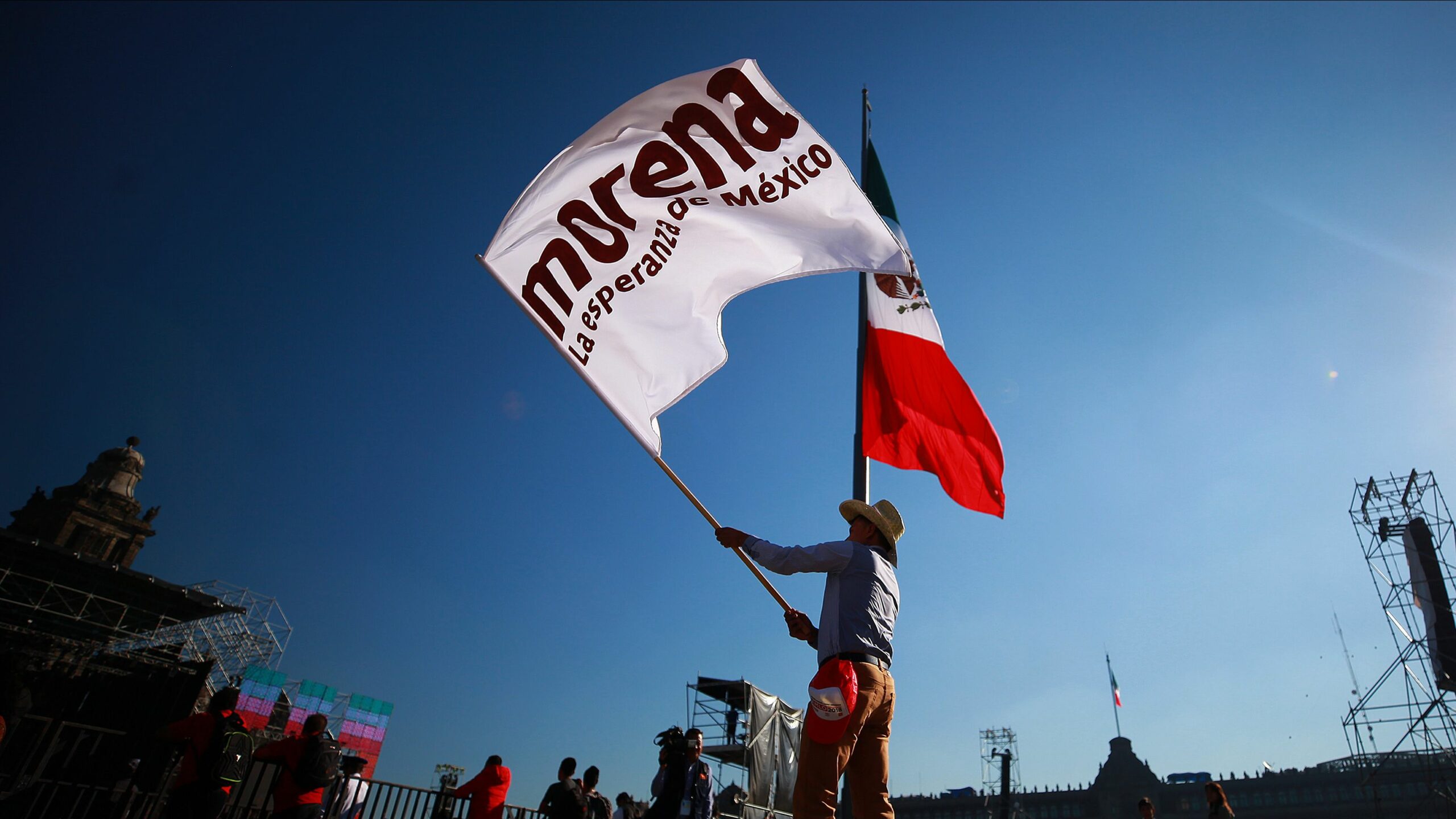
- Leftist political parties in Latin America are attempting to incorporate conservative religious elements to attract the region’s growing numbers of evangelicals to their ranks, according to a paper by sociologist Danissa Paz Contreras Guzman of the University of Texas at Austin. At the early-November meeting of the Society for the Scientific Study of Religion, which was attended by RW, Contreras Guzman said that this development was taking place in Brazil, Mexico, Peru, and Ecuador with varying levels of success. Based on surveys and interviews with 150 activists from these leftist parties, analysis of party documents, and a randomized experiment allowing people to choose the cultural values of a party, the researcher focused on Mexico and Brazil as case studies. In Mexico, the party MORENA struggled against a strongly secularist political culture, yet it successfully was able to integrate religious conservatism into its platform and structure, mainly through building alliances with such religious groups as PES, Confraternice, and La Luz del Mundo. Campaign events were associated with religious festivals, such as Day of the Virgin. Religious speeches were also given during the campaign, and “ambiguous” support for the party’s sexual policies was allowed, which provided room for those with more conservative beliefs.
In contrast, in Brazil’s PT party, there was far less success in incorporating religious conservatism, even though there is strong electoral pressure for adopting such positions. Party leaders and religious groups proposed courses designed for religious candidates, a caucus of evangelical activists, and even its own evangelical church. Yet such initiatives faced rejection and dismissal by the activist base. Contreras Guzman found that the greater autonomy of MORENA leaders from the party’s culturally progressive activists “provided the raw materials” for the party to adopt religious conservatism. There was no such autonomy in Brazil’s PT party, which is much more institutionalized, with clear rules on election competitiveness and proportionality. Progressive activists in the party had strong institutional power, such as in its Secretaria Nacional LGBT.
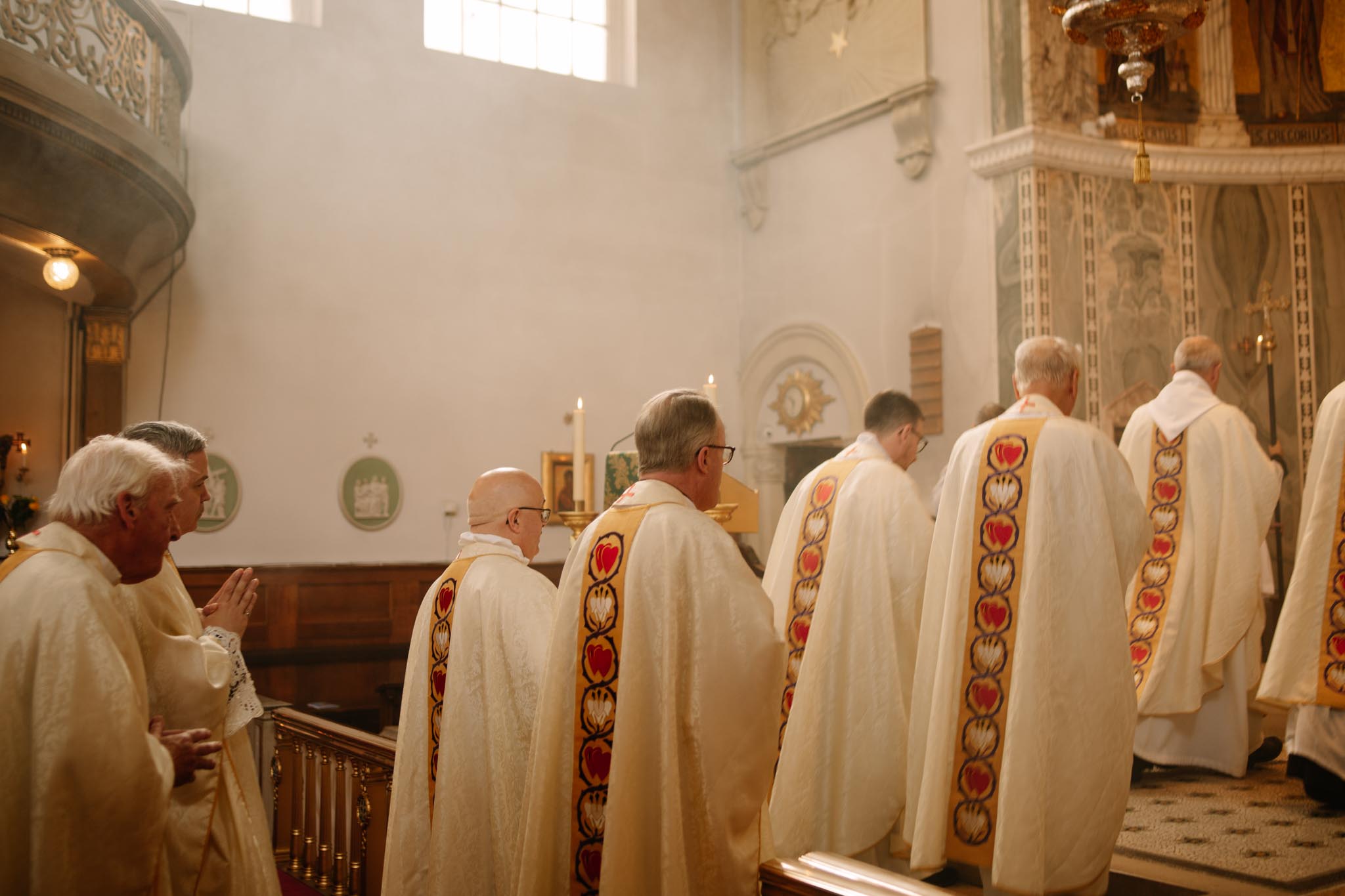
- A new study finds that several hundred priests and more than a dozen bishops have converted from Anglicanism in the past three decades, a “surge” that has been partly driven by the move to ordain women in the Church of England, according to a study led by sociologist Stephen Bullivant. The study found that about 35 per cent of combined diocesan and ordinariate priestly ordinations from 1992 to 2024 in England and Wales were of former Anglican clergy. The percentage of ex-Anglican Catholic priests is said to be much larger than expected, with these converts comprising a third of all Catholic priests ordained since 1992, the year that women’s ordination was accepted in the Church of England. Most of the ordinations took place in 1994. Among Anglican bishops, 16 made the transition to Catholicism, often after retirement. The path to conversion and then Catholic ordination for these priests was one of individual exploring and decision-making, sometimes taking a circuitous route with some uncertainty and risk involving one’s future livelihood, and with the priests often facing long delays from Rome in getting approval for ordination. Another popular route has been the Personal Ordinariate, a program started by Pope Benedict XVI, which offers a way for Anglicans to retain much of their heritage and liturgy while becoming Catholic. The Ordinariate is considered to offer a “fast track” to the priesthood compared to the diocesan route, with recent figures showing that its attraction has grown since it was started in 2011.
(The study can be downloaded from: https://www.stmarys.ac.uk/research/centres/benedict-xvi/docs/convert-clergy-report.pdf)
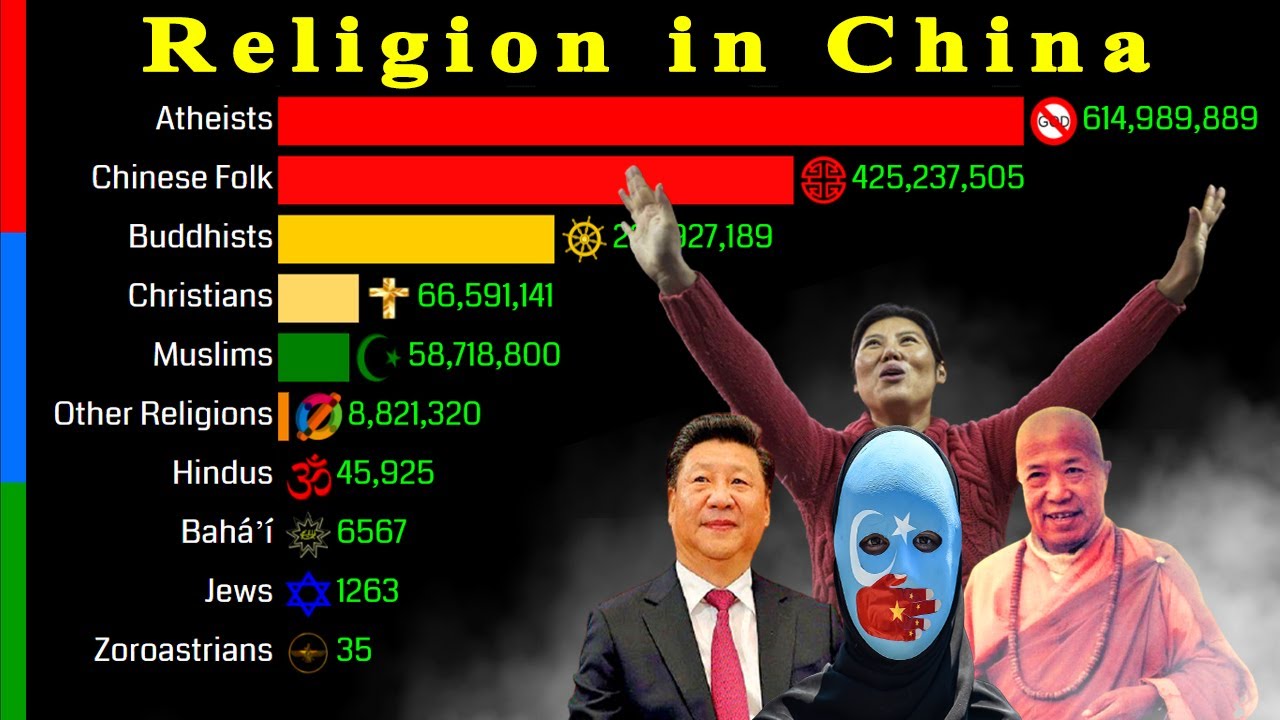
- China’s atheists and agnostics report higher rates of belief in the supernatural than any other non-theists in the world, according to a recent study by Ryan Hornbeck and colleagues (University College, London) presented at the late-November meeting of the American Academy of Religion in Boston, which RW attended. In a survey of approximately 3,000 nontheists in China, 25 percent were found to believe in reincarnation, while about 50 percent of agnostics held to a belief in a universal life force and astrology. There was also a high prevalence of belief in the afterlife, reincarnation, objects and people with mystical powers, and fate, along with a low level of anti-religious attitudes. Both atheists and agnostics showed the lowest level of belief in naturalism compared to non-theists in other countries, with only eight percent of atheists and two percent of agnostics holding this belief. Hornbeck said that some of these items, such as fate and karma, are related to chi teachings on energy in Chinese philosophy and are not really perceived as otherworldly in the Western sense. But he added that China’s non-theists, and Chinese in general, “move easily between traditional and cosmological language…[and that] there is no pressure to draw the line between religion and science.”
- Religious freedom violations are widespread across the Sahel region of Africa, largely because of the growth of violent insurgent groups, unstable governments, and social conflict, according to a report from the United States Commission on International Religious Freedom (USCIRF). The report focuses on Burkina Faso, Cameroon, and Chad, where such Islamic extremist groups as the Islamic State in the Sahel Province (ISSP), the Jama’at Ahl al-Sunna lid-Dawah wa’al-Jihad (JAS-Boko Haram), and Jama’at Nusrat al-Islam wal-Muslimin (JNIM), remain active. These groups don’t just target state institutions—“they attack churches, mosques, and religious leaders, enforcing their own interpretations of Islamic law with brutal efficiency,” according to the newsletter Bitter Winter (November 5), citing the report. In Burkina Faso, for example, the report notes that “ISSP claimed responsibility for a February 2024 attack on a Catholic church that killed at least 12 worshipers in Essakane. That same month, insurgents attacked a mosque in Natiaboani in the eastern part of the country, killing dozens during morning prayer. In January 2025, 200 insurgents attacked three villages in western Burkina Faso and killed 26 people, including at least six Christians…”
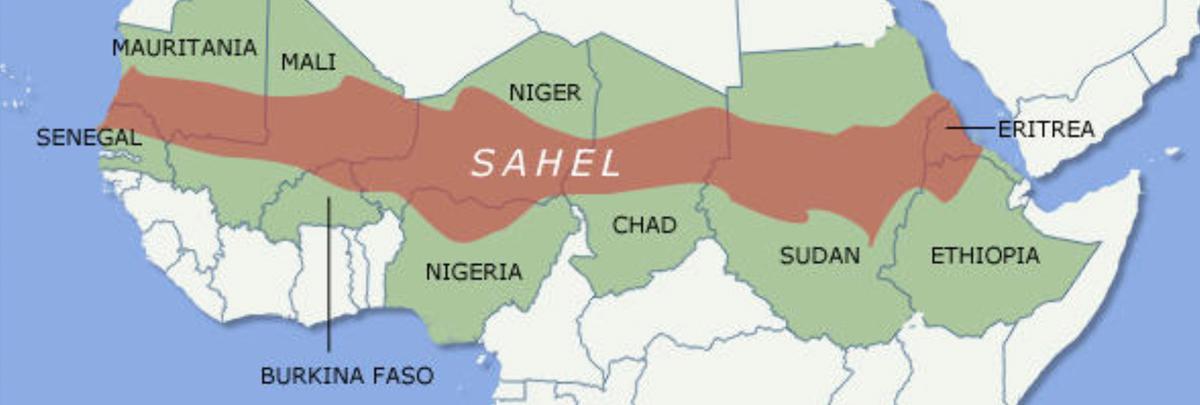
In Cameroon in 2024, over 700 people were killed by JAS-Boko Haram, and Christian church activities were severely disrupted, with thousands of other Christians left homeless. In Chad “in 2025, JAS-Boko Haram, ISWAP [Islamic State–West Africa Province], and violent Fulani herder groups continue to target religious communities; these groups often displace victims whom they do not outright kill after destroying their property.” The report notes that state responses are often inadequate, with some cases of military crackdowns leading to human rights abuses, further alienating local populations and inadvertently fueling extremist recruitment.” The governments sometime justify administrative obstacles for churches as a way to protect Christian worshipers from insurgent violence or defuse interfaith tension in areas with high Muslim populations. Chad likewise imposes limitations on Islamic groups, and “state officials with the Ministry of Interior require places of worship, usually Christian churches, to obtain a six-month temporary authorization while they await recognition as legal entities, leaving them in a position of extreme liability to harassment and closure. Church founders of such unregistered churches risk imprisonment for up to one year as well as fines, making church operations much more difficult.” The report recommends that the U.S. expand humanitarian aid to displaced religious minorities and integrate religious freedom into its broader Sahel strategy.
(The report can be downloaded from: https://www.uscirf.gov/publications/freedom-religion-or-belief-sahelian-countries-burkina-faso-cameroon-and-chad)
 Japanese funerals have been simplified, made briefer, and become based more around the family since the Covid pandemic, both in Japan and in the U.S., according to a paper presented at the early-November meeting of the Society for the Scientific Study of Religion, which RW attended. Tatsushi Hirono (Austin Peay State University), Akinori Takase, and Yukan Ogawa (Taisho University) conducted a study of 104 respondents, consisting of monks and laypeople, in Japan and the U.S. The changes to Buddhist funerals were more evident in Japan than in the U.S. Restrictions during Covid often meant that those other than immediate family were unable to attend funerals, which changed Japanese attitudes toward religiosity and funerals, Hirono said.
These changes were less evident among Japanese monks, but more Japanese and American Buddhists changed their attitudes about Buddhism, saying it was less important for their religiosity after the pandemic. A Buddhist monk interviewed said, “I believe that ordinary people’s views on funerals were totally changed after the COVID-19 pandemic, and now they prefer their ‘family’s only funeral’ and a ‘one-day funeral.’ I personally believe that this new social norm would not return to the traditional funeral that are ‘bigger funerals’ and ‘two-day funerals’ because they believe the system has changed.” Hirono concludes that Japanese monks who heavily relied on the funeral business need to “change their business model.” “Some Buddhist monks are now providing ‘engaged Buddhism,’ including counseling and weekly and monthly meetings like Christian clergies.”