








RW has cited various results from the Cultural and Religious Identity among 18–45 Year-olds in Canada Survey, and now the study (part of a larger project on religious diversity based at the University of Ottawa) has issued its final report. The survey was structured to allow respondents to identify themselves between the shifting poles of […]
1. Kopimism, a new religious movement that grew out of the piracy and anti-copyright movement, has been considered a parody religion, but more recently it has taken on the trappings of an actual religion, or at least a quasi-religion. The movement was started in 2010 by Isak Gerson in Sweden, which was the hub of […]
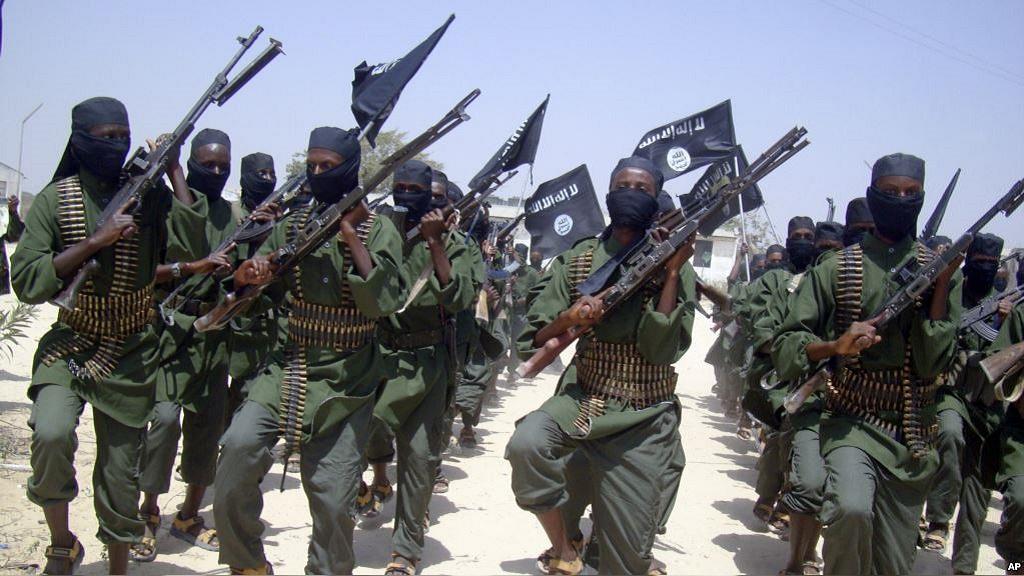
The global jihadi scene may be quieter due to the decline of the Islamic State (IS), but this setback will likely be temporary as al Qaeda is being regenerated and the jihadist movement in general is being decentralized, write political scientists Colin P. Clarke and Assaf Moghadam in the foreign policy journal Orbis (Summer). The structure of global jihadists so far has been largely bipolar, divided between IS and al Qaeda, and the authors note that these two players are likely to continue to vie for power with each other, a contest determining the jihadist landscape of the near future. Al Qaeda is in a period of recovery after the loss of several key leaders, with new fronts opening in Tunisia and India, and affiliated groups operating in Egypt, Libya, and Syria. The group’s “long-game strategy,” which has prevented it from imploding like IS and allowed it to avoid such divisive tactics as using violence against fellow Muslims, has involved shifting from a terrorist to an insurgent group and achieving incremental territorial gains. The group’s successful operations in Yemen and Somalia illustrate its new approach, as it creates organizations under different names, such as al Shabab, and seeks to empower local leaders and tribes and to avoid enforcing harsh versions of Sharia (unlike IS). Eventually, the group can become a “shadow government,” as in the case of Somalia, promising to fight for the poor and disenfranchised.
Meanwhile, Clarke and Moghadam write that IS will likely regroup, still having a cadre of operatives providing the glue of the organization. The movement is seeking to co-opt Sunni tribes and threatening revenge in their former haunts in Syria. The staying power of jihadi groups around the globe seems assured since they still carry appeal and will likely decentralize further, drawing on an assortment of actors and actions, whether it be engaging in nonviolent da’wa (proselytizing) activities in Europe or becoming “digital warriors” in cyberspace. The researchers predict a more multipolar structure to jihadist groups, as they develop regional hubs of mobilization and use proxy organizations, such as in Mali, Mauritania, and Niger.
Something that has become increasingly clear after more than five years with Pope Francis at the helm of the Roman Catholic Church is that he has strong pastoral reasons for addressing issues. He is also a pope who tends to launch processes and then waits to see what emerges from the ensuing debates. This may […]
The massive evangelical men’s gatherings of the 1990s have largely disbanded while women’s ministries have since flourished, but new forms of ministry to men have emerged that stress community-building and activities based on a common purpose, reports Christianity Today magazine (June). Large-scale men’s ministries and gatherings, such as Promise Keepers, have disappeared and congregation-based men’s […]
The interest of scholars in the relation of sports and religion is catching up to the level of attention that religious groups have given to athletes and sporting events in recent years, writes Nick J. Watson in the journal Theology (vol. 121, no. 4). In recent years, there have been major academic conferences on religion, […]
The recent annual meeting of Southern Baptists suggests that a generational shift is taking place in the denomination that may moderate its longtime religious-right stance, writes Jonathan Merritt in The Atlantic (June 16). The election of 45-year-old pastor J.D. Greear from North Carolina as president of the denomination is viewed as a changing of the […]
Newsweek (June 17) reports that a recent poll finds that most LGBTQ adults in the United States are religious, the majority of these being Christian. Conducted by Buzzfeed and Whitman Insight Strategies, the survey, the most extensive of its kind, surveyed a sample of 880 members of the LGBTQ community nationwide in late May. The […]
Efforts to bridge the divide between evangelical and Eastern Orthodox churches in the Middle East are paying dividends of renewed evangelistic and missionary involvement for both traditions, writes Jayson Casper in Christianity Today (June). Much of the impetus behind this conciliatory mood is the World Evangelical Alliance (WEA) and its theologian Thomas Schirrmacher, who joined […]
A form of individualized and demanding pilgrimage for young adults has rapidly spread across Poland, replacing Marian-based pilgrimages and devotions, according to an article in the journal Religion, State and Society (vol. 46, no. 2). Known as the “Extreme Way of the Cross,” the spiritual discipline involves participants’ making exhaustive treks across designated routes as […]