








The return of Alawite celebrations in public life in Syria suggests that the adherents of this syncretistic Islamic sect are gaining new confidence in their identity since the fall of the Bashar al-Asad regime, even as persecution has intensified, according to the Public Orthodoxy website (January 7). Fadi Abu-Deeb reports that this year many Alawites who live in Christian towns and villages in western Syria celebrated the Day of Barbara with their Christian neighbors on December 3, while also holding independent celebrations on December 16, following the Julian calendar, in other villages and towns where Christians’ presence is minimal or non-existent. Like Christians, they celebrate by dancing around fire and by boiling wheat. Alawites have also adapted other Christian traditions and festivals throughout their history, even as they have been viewed as an “esoteric Islamic sect that [has] kept its teachings secretive from outsiders while displaying a somewhat mainstream Islamic countenance.”
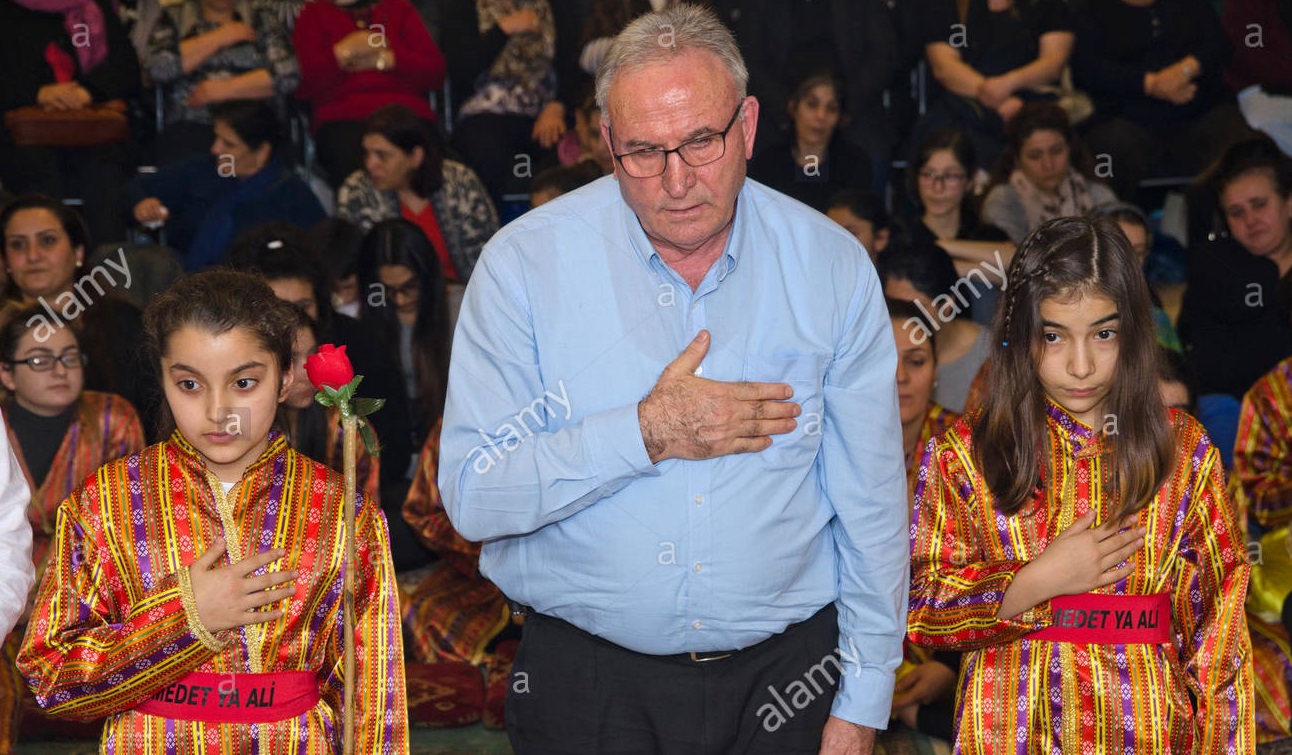
Following the fall of Bashar al-Asad’s regime on December 8, 2024, sectarian conflicts in Syria took a new turn, with the Alawite community becoming the target of persecution. Yet this new phase of persecution is “accompanied by an unprecedented rise in their religious and cultural self-exploration. For many in the educated new generation, it is a time for self-discovery and for treading new roads of thinking about self and identity,” Abu-Deeb writes. Asad and his leadership pressed for acceptance by the mainstream Muslim society and discouraged the public practice of Alawite rituals and feasts that might betray Christian, Gnostic, Neo-Platonic, or pre-Christian Syrian religiosities. The author notes that Alawites are not uniform in all their teachings and rituals, as they lack a “church” or an establishment of orthodoxy like in Sunni Islam. Individual worship and eclectic convictions are central to their cornucopia of teachings, equivocal esoteric texts, and worldviews. But Abu-Deeb concludes that they also “shared spiritual and geographical spaces with Levantine Christians in a way that generates in many Alawites today a powerful sense of necessity to explore and recover elements of an ancient Levantine tradition that may also unravel hidden parts of the ancient Levantine Christian heritage.”
(Public Orthodoxy, https://publicorthodoxy.org/2026/01/07/syrian-alawites/)