








The conflict between the head of the Armenian Apostolic Church, Catholicos Karekin II, and Armenian Prime Minister Nikol Pashinyan has intensified, with an opposition now also forming within the church, consisting of young parish priests, believers, and several hierarchs eager to reform the church, reports Harutyun G. Harutyunyan (State University of Yerevan, Armenia) in an article in Nachrichtendienst Östliche Kirchen (January 15 and January 30). But contradictory interpretations from other sources describe these developments as a move “to nationalize Armenia’s faith, to transform an independent moral authority into a branch of the state,” writes Ara Nazarian (Armenian National Committee of America) in Public Orthodoxy (January 29).
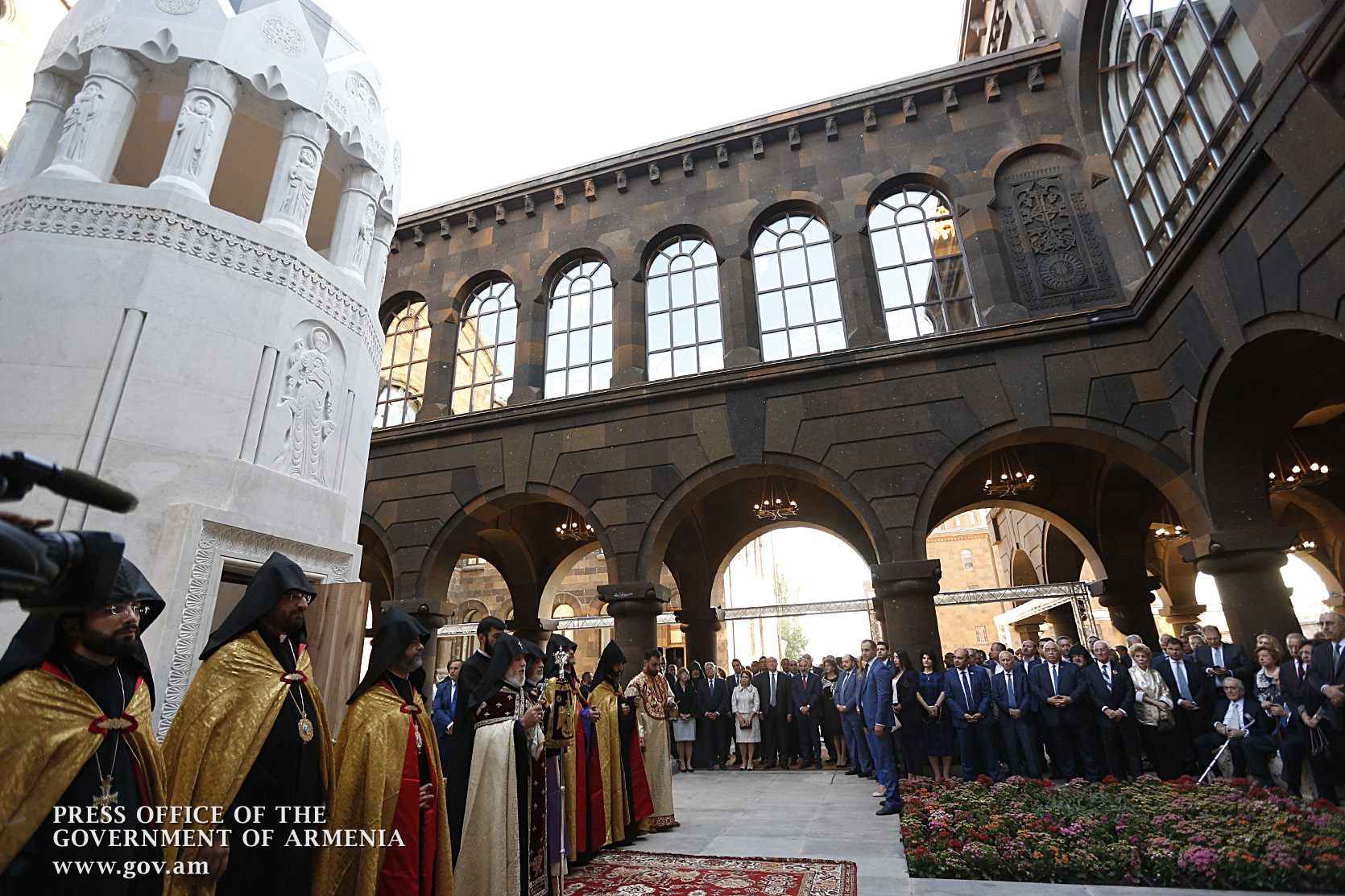
By late January, 10 bishops had been arrested or were being prosecuted for various reasons, including calls some made to their clergy to take part into antigovernment protests (Azatutyun, February 1). Pashinyan and his party have been pointing to Russian influence on Karekin II, who has been in office since 1999. After a phase of public confrontation on social media, clergy members also spoke out, complaining about abuses among the church leadership and demanding reforms. The first and most well-known of these clergy, Father Aram Asatryan, criticized the church leadership’s dependency on political and financial interests and called for transparent leadership systems.
Other priests stressed the urgent need for labor law and canon law protection mechanisms for clergy, since the Armenian Church still does not have a universal constitution, but rather the church leadership makes decisions according to its own preferences. In reaction to the criticism, Asatryan—and subsequently other priests—were removed from office by the church leadership and laicized, while Pashinyan expressed his support for Asatryan. Ten bishops finally demanded the voluntary resignation of Catholicos Karekin II. The Catholicos did not respond, and all accusations were rejected by the Supreme Spiritual Council. On January 4, Pashinyan met with the opposition bishops to establish a “Coordination Council for the Reform of the Holy Armenian Apostolic Church.” Karekin II responded with harsh disciplinary measures, removing bishops from office without convening disciplinary commissions. In contrast, Nazarian claims that Pashinyan’s government has engaged in an attempt to transform the church into a state-controlled entity under the guise of reforming it. The state is accused of using its apparatus to punish an independent institution that criticizes its policies. These conflicting views on the current crisis show that Armenia and its church have reached a turning point. Whatever the final outcome of the power struggle will be, it will likely have deep consequences, considering the pivotal role of the Armenian Church for national identity.