








The prospects for Muslim democracies, which just over a decade ago seemed bright, have grown dimmer as key Islamic countries said to be on the cusp of democratic reform have fallen short of that goal, according to a study in the Journal of Democracy (January). In the early 2000s, “many scholars observed a pragmatist turn in Islamist politics. They sought to identify and explain how and why Islamist parties and movements were becoming involved in electoral politics, overhauling their thinking, and embracing moderation,” write political scientists Ramazan Kilinc, Turan Kayaoglu, and Etga Ugur. Considering the cases of Turkey, Egypt, Morocco, Algeria, and Tunisia, the authors argue that the optimism about their democratization in the manner of the Christian-democratic movements of postwar Europe was premature. Turkey made democratic progress than slid into authoritarianism; Tunisia’s Ennahda and Egypt’s Muslim Brotherhood “either withdrew from power under duress or struggled to survive democratic breakdowns”; while even the more successful case of Morocco’s PJD fell in 2021 as the party saw its ability to govern, claim the reformist label, and remain popular undermined by the need to compromise with the monarchy and secular parties.
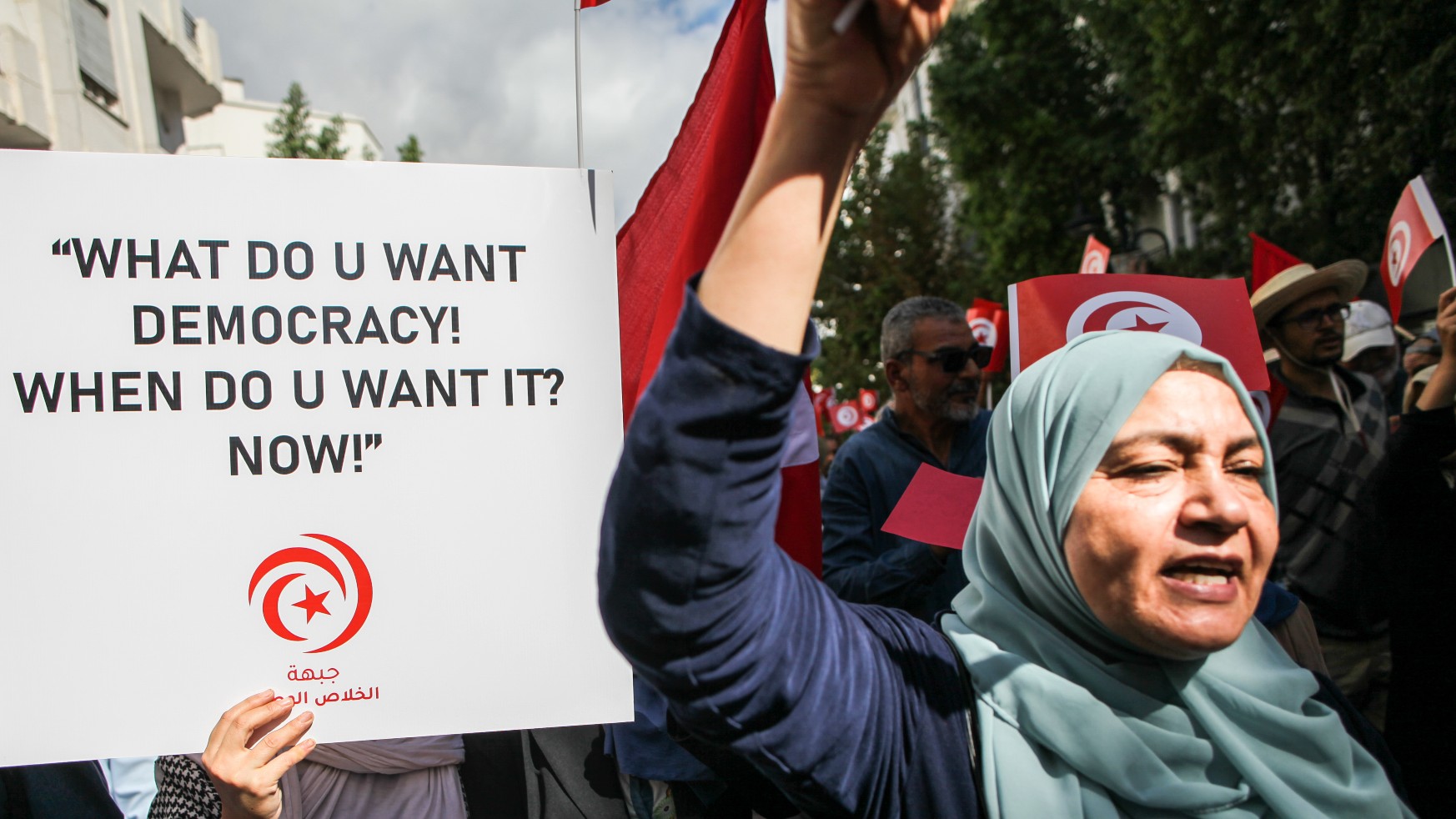
Kilinc, Kayaoglu, and Ugur write that ideological flexibility and political pragmatism were not enough for Islamist parties to thrive and survive in the absence of a normative commitment to democratic principles. When it came to facing “make-or-break, back-to-the-wall challenges, both Islamist parties and their opponents proved ready to ignore democratic practices beyond elections, to weaponize laws, to delegitimize critics, to seize frail state institutions rather than let them act as checks on power, and to reject internal reformists in favor of in-house hardliners,” the authors argue. But even with a democratic normative commitment and pragmatism, these parties will have to struggle with a strong secular-authoritarian political culture, competition with other parties, and schisms. Democratic Muslim parties will also need to draw in regional and international (especially Western) assistance, linkages, and pressures, while also avoiding a resurgent populism that fuses religious and nationalist rhetoric and gives “Islamists and others ideological cover and strategic models that place power consolidation ahead of democratic accountability,” the authors conclude.
(Journal of Democracy, https://muse.jhu.edu/issue/55735)